
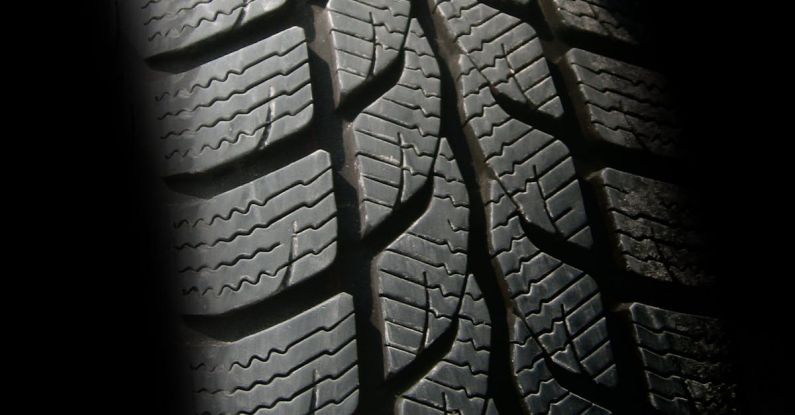
When it comes to racing, having the right tires can make all the difference in your performance on the track. Choosing the best tires for racing is a crucial decision that can impact your speed, handling, and overall safety. With so many options available on the market, it can be overwhelming to determine which tires are the best fit for your racing needs. In this article, we’ll explore some key factors to consider when selecting tires for racing to help you make an informed decision and get the most out of your racing experience.
Consider the Track Conditions
One of the most important factors to consider when choosing racing tires is the track conditions you will be racing on. Different tracks have varying levels of grip, surface abrasiveness, and cornering speeds, all of which can influence the type of tires you need. For example, if you are racing on a track with high grip levels and fast corners, you will want tires that provide optimal grip and stability at high speeds. On the other hand, if you are racing on a track with lower grip levels and tighter corners, you may need tires that offer more agility and responsiveness.
Understand Tire Compounds
Tire compounds play a significant role in determining the performance characteristics of racing tires. Softer compounds provide better grip and traction but may wear out more quickly, while harder compounds offer increased durability but sacrifice some grip. Understanding the different tire compounds available and how they perform under various track conditions is essential in selecting the right tires for your racing needs. It’s crucial to match the tire compound to the track conditions to ensure optimal performance and longevity.
Choose the Right Tire Size
Selecting the correct tire size is another critical aspect of choosing the best tires for racing. The size of the tire can affect handling, traction, and overall performance on the track. It’s essential to consult with tire experts or your racing team to determine the optimal tire size for your vehicle and racing style. Factors such as wheel diameter, width, and aspect ratio all play a role in how the tire interacts with the track surface and impacts your racing performance.
Consider Tread Patterns
The tread pattern of a racing tire can significantly impact its performance on the track. Different tread patterns are designed to excel in specific track conditions, such as wet or dry surfaces, and can affect grip, handling, and braking capabilities. Slick tires, for example, have no tread pattern and provide maximum contact with the track surface, making them ideal for dry conditions and high-speed racing. On the other hand, grooved tires are designed to disperse water on wet tracks, improving traction and preventing hydroplaning. Understanding the various tread patterns available and how they perform under different conditions can help you choose the best tires for your racing needs.
Consult with Experts
If you are unsure about which tires to choose for racing or need additional guidance, don’t hesitate to consult with tire experts or professional racing teams. Experienced professionals can provide valuable insights and recommendations based on your specific racing requirements, vehicle setup, and track conditions. They can help you navigate the vast array of tire options available and steer you towards the best tires to optimize your racing performance.
In conclusion, selecting the best tires for racing requires careful consideration of track conditions, tire compounds, size, tread patterns, and expert advice. By understanding how these factors influence tire performance and making informed decisions, you can maximize your racing experience and achieve better results on the track. Remember that the right tires can be the key to unlocking your full racing potential, so choose wisely and enjoy the thrill of pushing your limits on the race track.