
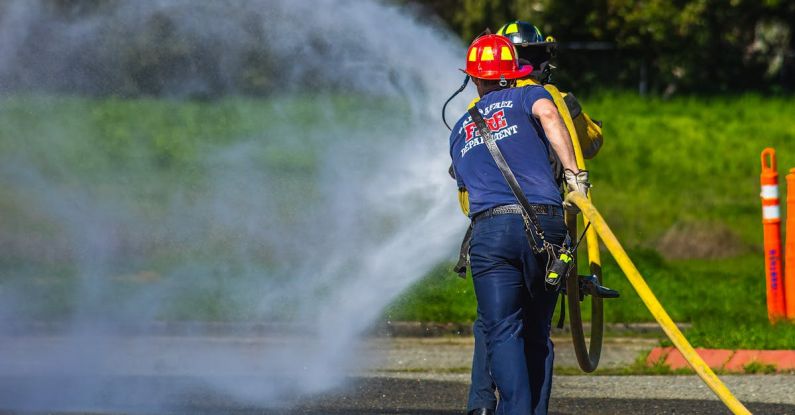
Emergencies can strike at any moment, and when you’re on the track, being prepared to handle them effectively can make all the difference. Whether you’re a seasoned racer or a newcomer to the world of motorsports, knowing how to respond to emergencies on the track is crucial for your safety and the safety of those around you. In this article, we will explore some essential tips on how to handle emergencies on the track like a pro.
**Stay Calm and Assess the Situation**
When faced with an emergency on the track, the first and most important thing to do is to stay calm. Panicking will only make the situation worse and hinder your ability to make rational decisions. Take a deep breath, assess the situation quickly, and determine the extent of the emergency. Is it a minor incident that can be resolved quickly, or is it a more serious situation that requires immediate action? Stay focused and keep a clear head to effectively manage the emergency at hand.
**Communicate Effectively**
Communication is key when dealing with emergencies on the track. If you’re involved in an incident, make sure to communicate your position and status to track officials or other drivers if possible. Use hand signals or radio communication to alert others to the emergency and your location. Clear and concise communication can help prevent further accidents and ensure that help arrives promptly.
**Follow Safety Protocols**
Every track has specific safety protocols in place to handle emergencies. It’s essential to familiarize yourself with these protocols before hitting the track. Know the location of emergency exits, medical facilities, and emergency response teams. Follow the instructions of track officials and emergency personnel to ensure a coordinated and effective response to the situation.
**Assist Others When Safe to Do So**
In the event of an emergency on the track, it’s crucial to prioritize safety above all else. However, if you can assist others without putting yourself or others at risk, lend a helping hand. Check on the well-being of fellow drivers involved in the incident and provide assistance if needed. Remember that teamwork and solidarity are essential in handling emergencies on the track.
**Stay Updated on Track Conditions**
Track conditions can change rapidly, especially during races or high-speed events. Stay informed about any potential hazards or changes in track conditions that could impact your safety. Keep an eye on weather updates, track maintenance, and any other factors that could affect your race. Being aware of your surroundings and staying updated on track conditions can help you anticipate and prevent potential emergencies.
**Practice Emergency Scenarios**
Just like any other skill, handling emergencies on the track requires practice and preparation. Take the time to familiarize yourself with different emergency scenarios and how to respond to each one. Practice emergency drills with your team or fellow drivers to ensure that everyone knows their roles and responsibilities in the event of an emergency. By being prepared and practicing regularly, you can build confidence in your ability to handle emergencies on the track effectively.
**Conclusion: Be Proactive and Stay Safe**
Handling emergencies on the track is a critical aspect of motorsports that requires quick thinking, clear communication, and a cool head. By staying calm, following safety protocols, and practicing emergency scenarios, you can be prepared to handle any situation that comes your way. Remember to prioritize safety above all else and work together with track officials and fellow drivers to ensure a safe and successful racing experience. Stay proactive, stay safe, and enjoy the thrill of the track with confidence and preparedness.